
Blog
The Digital Fatigue: Why We Still Need Heavy, Real Books
Combating digital fatigue in a hyper-connected world. Discover why heavy, physical art books and tangible print objects are making a massive comeback for the modern collector.
Let’s be honest about our daily routines. We wake up, immediately check a screen. We sit in front of a monitor all day answering emails, scrolling through feeds, attending virtual meetings, and consuming an endless, dizzying stream of pixelated content. By the time evening arrives, our eyes burn, our attention spans feel fried, and our brains are buzzing with digital white noise.
We are living in an era of unprecedented digital fatigue. Everything is instant, weightless, temporary, and locked behind glass.
Yet, precisely because of this invisible overload, a quiet rebellion is taking place. People are rediscovering the profound, grounding luxury of the physical. And no, we aren't just talking about reading a cozy novel before bed. We are talking about heavy, tangible, beautifully crafted print objects that demand physical space.
Here is why the modern collector is putting down the device and picking up heavy, real books.
The Weight of the Real
There is a psychological shift that happens the moment you lift a heavy, well-bound hardcover. Digital files have no mass. They take up gigabytes on a hard drive, but they cost nothing to our sense of touch.
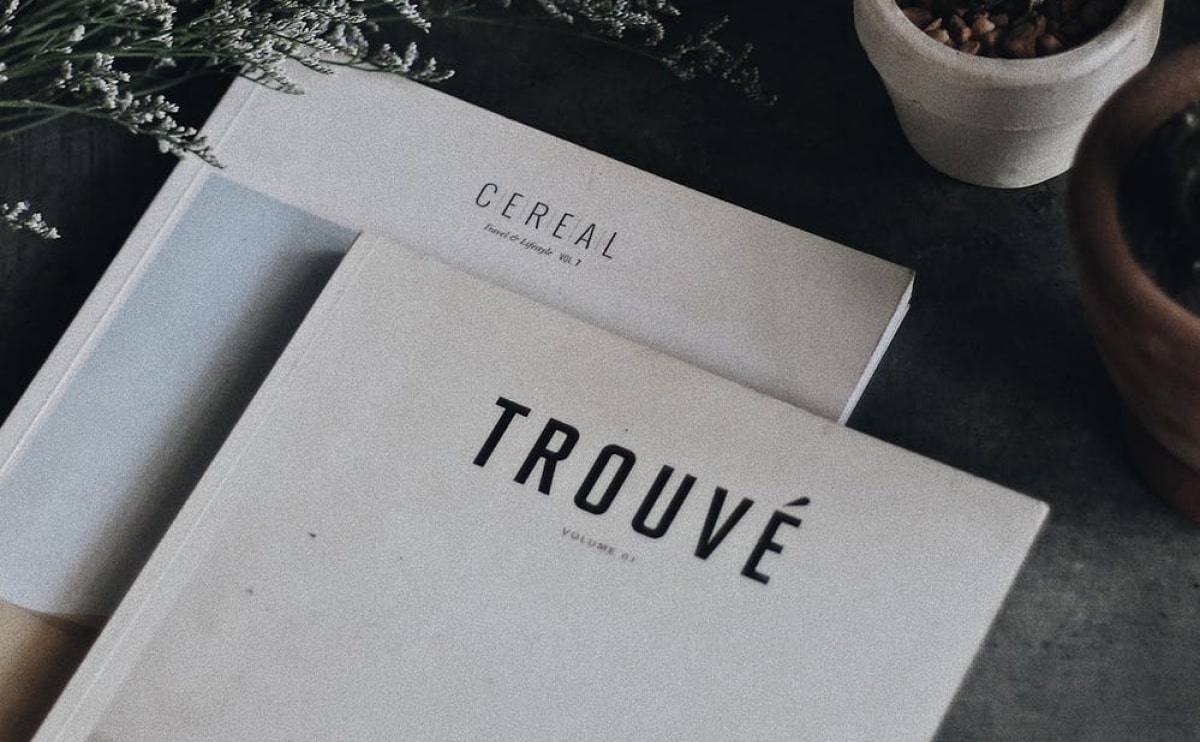
A physical book with high-end print specifications—thick pages, textured covers, metallic foil accents, and sprayed edges—has gravity. When you place a heavy art book or a massive conceptual volume on a table, it anchors the room. It exists in the real world. In a life dictated by ephemeral tabs and cloud storage, holding a physical object that weighs a few kilograms provides an immediate, tactile sense of relief. It’s an antidote to the hollow feeling of scrolling through endless digital galleries.
Escaping the Algorithmic Echo Chamber
Everything we consume online is curated for us by an algorithm designed to keep our eyeballs glued to a screen. Every feed, video, and article is predicted, targeted, and optimized.
A physical book breaks that loop entirely. When you open a cynical, beautifully designed art book like IT'S JUST PAINT. 100 Masterpieces, Ruined or flip through the absurd pages of a 1,000,000 Digits of Pi volume, you are stepping outside the algorithm. Nobody curated your physical bookshelf based on your last search history. You chose it. It is a deliberate, analog choice that brings back a sense of personal agency in what you consume.
The Luxury of Uninterrupted Slowness
Digital media is built for speed. If a video doesn't hook us in three seconds, we swipe away. We scan articles, skim headlines, and multitask continuously.
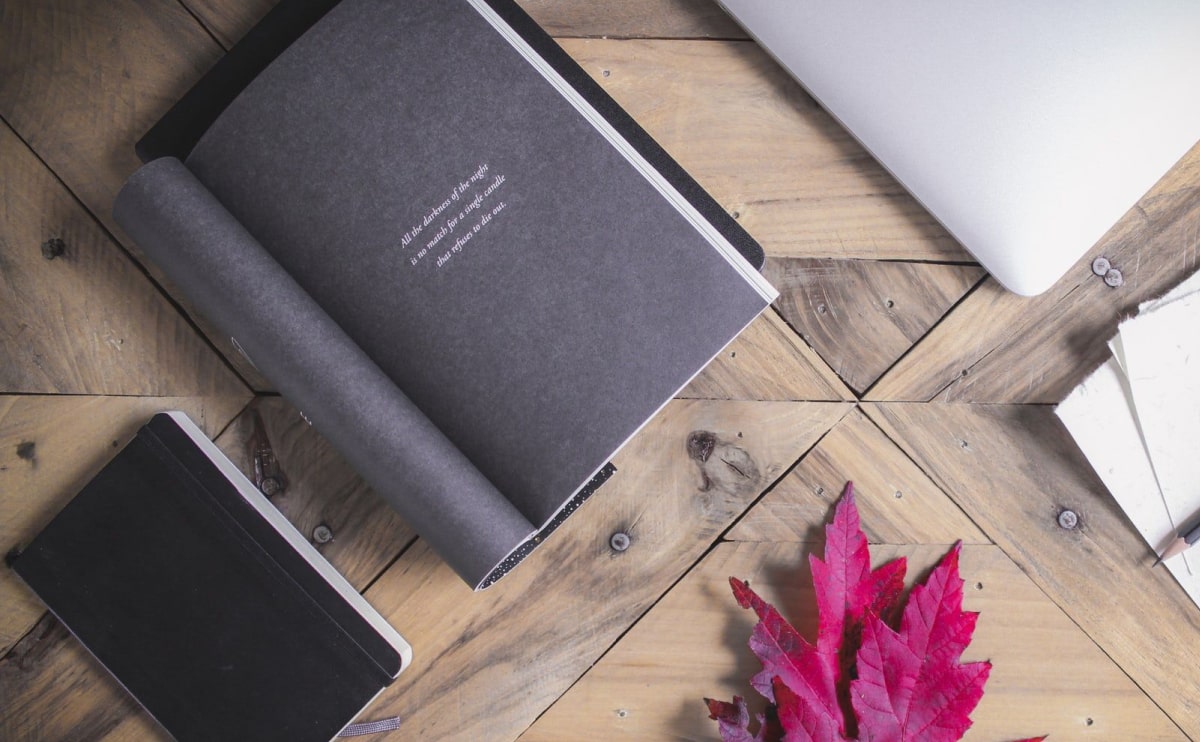
Real, physical books force us to slow down—even when they are poking fun at traditional publishing. They demand presence. You have to physically turn a page, feel the texture of the paper, and admire the craftsmanship of the custom endpapers or the red ribbon bookmark holding your place. It creates a micro-ritual of disconnection. It tells your brain: You are allowed to stop rushing now.
Tactile Art for the Modern Home
Let’s face it: you can't display a PDF on your coffee table.
Digital files can't double as statement pieces or conversation starters. Real books are design objects that add warmth, texture, and personality to a minimalist space. They bridge the gap between literature and visual art. When a book is crafted with uncompromising precision—combining sharp, witty concepts with luxurious binding—it stops being mere reading material and becomes a permanent fixture of your personal aesthetic.
Embrace the Analog Antidote
We don't need to throw our laptops out the window. But we do need a counterweight to the digital blur.
Investing in heavy, meticulously crafted physical books is a small act of defiance against a purely virtual existence. It’s about reclaiming our senses, slowing down our downtime, and surrounding ourselves with objects that have actual weight, substance, and wit.
Turn off the screen, pick up something heavy, and feel the difference.